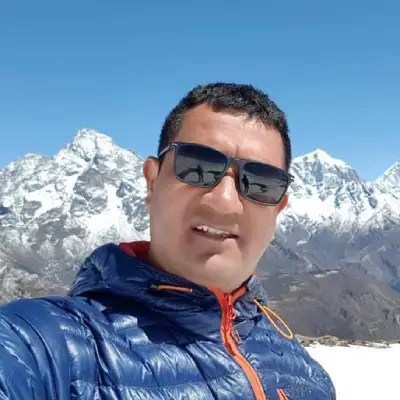
Epic Adventures Nepal is a registered trekking and adventure company based in Kathmandu. We specialize in guided treks, peak climbing, and cultural tours across Nepal, with over a decade of experience in the Himalayas.
We recommend booking at least 2-3 months in advance for peak seasons (spring and autumn). For off-season treks, 2-4 weeks notice is usually sufficient. Popular routes like Everest Base Camp fill up quickly.
While some areas in Nepal allow independent trekking, we strongly recommend trekking with an experienced guide for safety, navigation, and cultural insight. Certain restricted areas like Upper Mustang and Dolpo require a licensed guide and permits.
Fitness requirements vary by trek. Easy treks like Poon Hill require basic cardiovascular fitness. Challenging treks like Everest Base Camp or Annapurna Circuit demand good endurance for 5-8 hours of daily hiking at altitude. We recommend starting a fitness routine 2-3 months before your trek.
The Everest Three High Passes Trek and the Manaslu Circuit are among the most challenging treks, involving high-altitude passes above 5,000m and extended days of rigorous hiking. Peak climbing expeditions like Island Peak or Mera Peak are technically demanding.
Yes! While physically demanding, the EBC trek does not require technical climbing skills. With proper preparation, adequate rest days for acclimatization, and the support of our experienced guides, first-time trekkers regularly complete it successfully.
The two main trekking seasons are spring (March to May) and autumn (September to November). Autumn offers the clearest skies and best mountain views. Spring brings warmer temperatures and rhododendron blooms. Winter treks are possible at lower altitudes, and monsoon season (June-August) is generally avoided except for rain-shadow areas like Upper Mustang.
Most popular trails are not ideal during monsoon due to heavy rain, leeches, and obscured views. However, rain-shadow regions like Upper Mustang, Upper Dolpo, and Upper Manang remain dry and accessible during monsoon.
Our standard packages include accommodation in teahouses or lodges, all meals during the trek, an experienced English-speaking guide, porters, necessary permits, ground transportation, and airport transfers. International flights and personal expenses are generally not included.
Costs vary by route, duration, and group size. Budget treks like Poon Hill start from around USD 600-800. Mid-range treks like ABC or Langtang cost USD 1,000-1,800. Premium treks to Everest Base Camp range from USD 1,400-2,500. Peak climbing and expedition treks can cost USD 2,000-5,000+.
Transparent pricing is important to us. Additional costs may include travel insurance (mandatory), personal gear, hot showers and charging at teahouses, alcoholic beverages, tips for guides and porters, and extra meals in cities. We provide a detailed cost breakdown before your trip.
You can book through our website, by email at [email protected], or by contacting us on WhatsApp. A 20% deposit secures your booking, with the balance due 30 days before the trek start date.
Cancellations made 30+ days before departure receive a full refund minus the deposit. 15-29 days before incurs a 50% charge. Less than 15 days before departure, no refund is available. We strongly recommend travel insurance to cover unexpected cancellations.
Our group treks typically have 4-12 participants. This ensures personalized attention, better guide-to-trekker ratios, and a more enjoyable social experience. Private treks for solo travelers, families, or custom groups are also available.
Most treks use teahouses (mountain lodges) offering basic twin-share rooms with beds and blankets. Facilities vary by altitude and location. In cities, we provide 3-4 star hotels. Camping treks in remote areas include tent accommodation and cooking facilities.
Teahouses serve a variety of meals including dal bhat (traditional Nepali rice and lentil set), noodle soups, fried rice, pasta, and pancakes. At higher altitudes, options become more limited. We recommend sticking to freshly cooked hot meals to avoid illness.
Essential items include layered clothing, a down jacket, waterproof outer shell, sturdy hiking boots, a sleeping bag rated to -15C, sunglasses, sunscreen, a water bottle with purification, and a basic first aid kit. We provide a detailed packing list upon booking.
Yes, Thamel in Kathmandu has many shops renting trekking gear including sleeping bags, down jackets, and trekking poles. However, we recommend bringing your own well-fitted hiking boots and personal items for comfort and hygiene.
Tribhuvan International Airport (KTM) in Kathmandu is the main entry point. Most major airlines offer connecting flights through hubs in the Middle East or Asia. We can assist with airport pickups and pre-trek hotel arrangements.
Depending on the trek, we arrange domestic flights (e.g., Kathmandu to Lukla for Everest treks) or scenic drive transfers (e.g., to Pokhara or Chitwan for Annapurna treks). All ground transportation is included in our packages.
Most nationalities can obtain a tourist visa on arrival at Kathmandu airport or at land border crossings. Visas are available for 15, 30, or 90 days. Ensure your passport is valid for at least 6 months beyond your arrival date. Some nationalities require pre-approval.
Most treks require a TIMS (Trekkers Information Management System) card and a national park or conservation area permit. Restricted areas like Upper Mustang, Manaslu, and Dolpo require special permits that can only be arranged through a registered agency like ours.
Yes, altitude sickness can affect anyone above 2,500m regardless of fitness level. Our itineraries include proper acclimatization days, and our guides are trained to recognize and manage symptoms. We carry pulse oximeters and basic medications. Descending is the primary treatment if symptoms worsen.
Yes, comprehensive travel insurance covering high-altitude trekking (up to your trek maximum altitude), emergency helicopter evacuation, and trip cancellation is mandatory. We can recommend suitable insurance providers familiar with Himalayan trekking.
Absolutely! We specialize in tailor-made itineraries. Whether you want to add extra rest days, combine multiple treks, include cultural side trips, or adjust difficulty levels, we will design a trip that matches your interests, fitness, and schedule.
Yes, we organize private family treks with child-friendly routes, slower pacing, and additional support. We recommend easier treks like Poon Hill, Helambu, or the Annapurna Panorama for families with children.